Before the First Note: How Natural Child Figures Out What a Room Needs
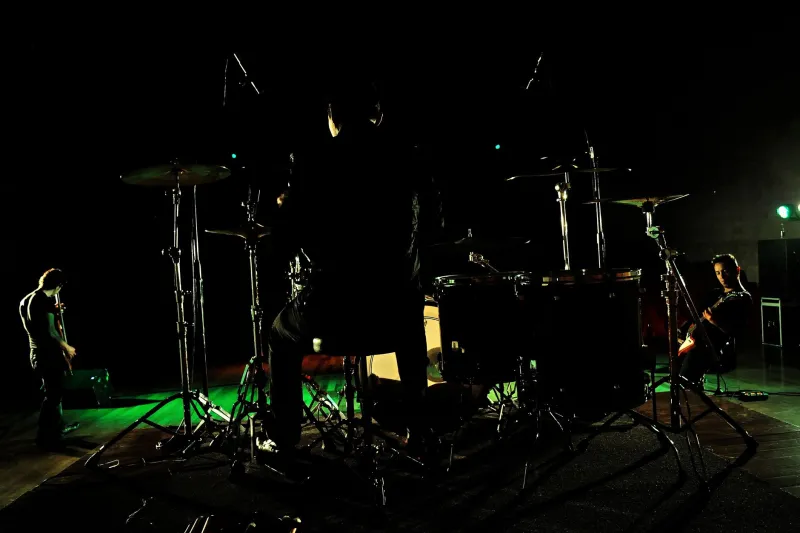
There's a moment at nearly every Natural Child show — somewhere between the last feedback squeal of soundcheck and the first real wave of bodies pushing toward the stage — where the band huddles. Not dramatically. Not with a whiteboard or a manager barking instructions. Just the three of them, maybe a beer in hand, talking about what they're actually walking into that night. To an outsider it might look like nothing. To anyone paying close attention, it's the whole ballgame.
Natural Child has built a reputation for shows that feel less like performances and more like something that just happened — the kind of night you try to describe to a friend the next day and keep coming up short. A lot of that comes down to talent and chemistry, sure. But a surprising amount of it comes down to homework.
The Room Talks First
Long before the van rolls up to the loading dock, someone in the Natural Child camp is already paying attention. The band has developed a loose but consistent habit of doing what you might call pre-show reconnaissance — nothing formal, just staying curious. That might mean scrolling through local Facebook event pages to see what else is happening in town that night, or checking in with the venue's bartender once they arrive to get a feel for the regular crowd. Is this a college town on a weeknight? A Friday in a working-class city where people showed up to actually let loose? A festival crowd that's been standing in the sun for six hours?
Those distinctions matter enormously to how the night gets shaped.
"Every room has its own temperature before anyone even plays," one band member explained during a conversation after a show in the Midwest. "You can feel it when you walk in during load-in. The ceiling height, the bar placement, whether people are sitting or standing when doors open. It all tells you something."
That sensory read of a space isn't mystical — it's just practiced observation. After years of touring everything from sticky-floored dive bars in Tennessee to outdoor stages at regional fairgrounds, the band has gotten good at translating physical details into musical instincts.
Soundcheck Isn't Just About Sound
For most bands, soundcheck is a technical exercise. Run through a couple of tunes, make sure the monitors aren't feeding back, argue briefly about the kick drum, done. For Natural Child, it doubles as a second round of room-reading.
They pay attention to how sound moves in the space. A low ceiling with no acoustic treatment means the crowd noise is going to pile up fast once the room fills — which usually means the slower, more delicate material might get swallowed. A bigger room with some natural reverb might actually reward those quieter moments, let them breathe in a way a small club never would.
Soundcheck is also when the band tends to make its first real cuts to the planned setlist. Something that felt right when they sketched it out two days ago on a gas station receipt might suddenly seem wrong for a Tuesday night crowd in a 200-cap room that's going to be two-thirds full. They're not precious about it. The list gets adjusted.
"We'll write out something like fifteen or sixteen songs and know going in that maybe twelve of them are actually going to happen," another member noted. "The question is just which twelve, and you don't always know until you're standing there."
Talking to the Locals
One of the more underrated parts of Natural Child's pre-show process is genuinely simple: they talk to people. Not in a glad-handing, meet-and-greet way. More like the way you'd strike up a conversation at the end of a bar. The band members tend to wander around before doors, chatting with venue staff, catching up with whoever drove three hours to be there, occasionally talking to strangers who have no idea who they are.
Those conversations are information. Someone mentions they drove up from a small town two states over where a certain Natural Child song came on the radio during a rough stretch and it stuck with them. That song might not have been on the list. Now it probably is. A bartender mentions the crowd has been coming in since happy hour and they're already loose and ready — that tells the band something about pacing, about whether to open hot or ease in.
It's not a science. But it's not random either.
The Curtain Call Adjustment
Even after all that preparation, the band leaves room to pivot once they're actually playing. Setlists at a Natural Child show are more like suggestions than contracts. If the first three songs land and the crowd is locked in, they might stretch out a jam that was supposed to be tight and punchy. If something falls flat — and sometimes it does, even on a good night — they'll move on quickly and recalibrate.
The real-time communication between band members during a set is subtle but constant. Eye contact, a slight nod toward a bandmate, someone counting off a different tempo than the one that was planned. Regular fans who've seen the band multiple times have started noticing these micro-adjustments, the moments where the setlist clearly went one direction and the band quietly decided to go another.
"We're not trying to be unpredictable for the sake of it," one member said. "It's more that the show is a live thing. It changes. The crowd changes it. The room changes it. You'd be an idiot to ignore all that and just run through your planned program like it's a school recital."
Why It Matters
In an era where a lot of live music has started to feel like a very expensive way to watch someone perform their streaming catalog in sequence, Natural Child's approach stands out because it treats every show as its own event. The setlist isn't a product being delivered. It's a conversation being had.
That philosophy starts long before the lights go down — in the parking lot, at the bar, during soundcheck, in whatever quiet huddle happens in the last few minutes before they walk out. By the time the first chord rings out, the band already knows a lot about what the room needs. The rest is just letting it happen.
And that, more than any particular song or guitar tone, is why a Natural Child show tends to feel like something you were actually at — not something you merely attended.