Dirt Roads and Digital Streams: How Natural Child Stayed Themselves Through Every Format Shift
There's a certain kind of band that gets ruined by exposure. The more people hear them, the more polished they become, until the thing that made them worth hearing in the first place has been quietly scrubbed away. Natural Child is not that band.
From their earliest basement-recorded releases to whatever corner of the internet their music lands on today, the trio has held a remarkably consistent line: sound like yourself, record honestly, and don't let the machinery of the music business tell you what that means.
Where It All Started — and Why That Starting Point Still Matters
Natural Child came up the old way. Cassette tapes, hand-dubbed and passed around. Recordings that captured room noise and cigarette smoke right alongside the guitar parts. The band — Wes Traylor, Seth Combs, and Zack Martin — didn't approach that lo-fi aesthetic as a stylistic pose. It was simply how they made music with the tools they had, and it turned out those tools suited them just fine.
That origin shapes everything that came after. When the band eventually released records on labels with broader distribution, they didn't suddenly show up sounding like a Nashville pop act. The warmth stayed. The looseness stayed. The sense that you were listening to real people playing real instruments in real time — that stayed too.
It's worth asking why that's rare. Because it is. The gravitational pull of the industry toward cleaner, more radio-friendly production is enormous. Most bands drift toward it without even noticing. Natural Child noticed, and they drifted the other direction on purpose.
The Streaming Question Nobody Has a Clean Answer To
Here's the tension every independent band faces in 2024: streaming platforms are how most people find new music, but those platforms reward a certain kind of song — short, hooky, engineered for the algorithm. Natural Child makes music that sprawls when it wants to sprawl. Songs that take their time. Grooves that breathe.
The band has been candid about the awkwardness of fitting their catalog into a streaming world built around three-minute attention spans. They're on the platforms — Spotify, Apple Music, the usual suspects — because not being there means cutting yourself off from a huge chunk of potential listeners. But they've resisted the urge to change what they make just to game the system.
That's a harder call than it sounds. When your peers are micro-editing their intros to keep listeners from skipping, there's real pressure to do the same. Natural Child's answer has essentially been: we'd rather have fewer listeners who actually love this than a bigger number that means nothing.
And honestly? That's a pretty rock and roll position to take.
DIY Doesn't Mean Anti-Everything
One thing worth clearing up: Natural Child's commitment to doing things their own way doesn't mean they've rejected every modern tool. They use social media. They've done press. They've worked with labels. The distinction they've drawn is between tools that help them reach people and tools that would require them to become different people.
There's a difference between using Instagram to let fans know about a tour date and rebuilding your entire musical identity around what performs well on TikTok. Natural Child has stayed firmly on the right side of that line. They promote what they make; they don't make things specifically to promote.
This is a distinction that sounds obvious until you spend five minutes looking at how many artists have quietly abandoned it. The band's consistency on this point is one of the reasons their fanbase trusts them. People can tell when they're being sold something versus when they're being invited into something real.
Recording as an Act of Integrity
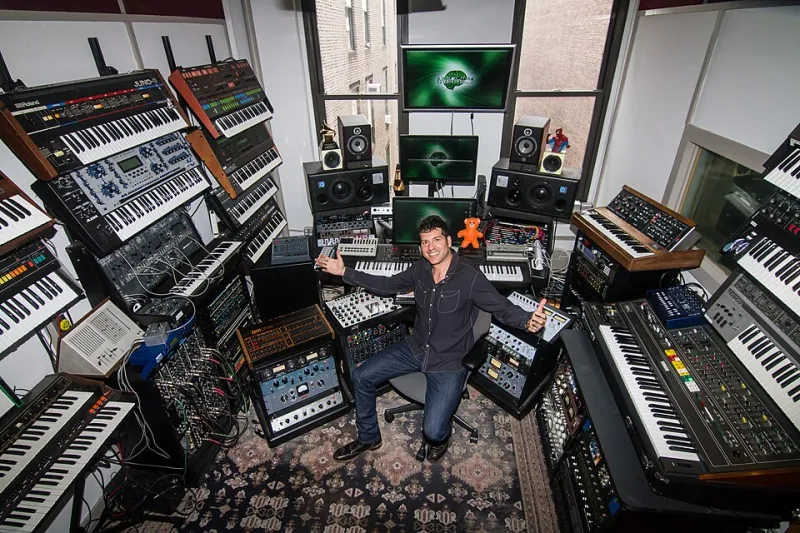
The studio choices Natural Child has made over the years tell you a lot about their priorities. They've favored analog equipment, live tracking, and minimal overdubs — not because vintage gear is trendy (though it is, in certain circles) but because that approach captures performances rather than constructing them.
When a band records to tape with everyone in the room at the same time, mistakes stay in. Spontaneous moments stay in. The energy of musicians feeding off each other in real time stays in. That's the kind of record Natural Child makes, and it's the kind of record that sounds different from everything else on a playlist because it was made differently from everything else on a playlist.
There's also something honest about not hiding behind endless takes and digital correction. What you hear is what they played. That vulnerability — the willingness to be caught being human — is part of what makes the music connect.
Growth Without Compromise: Is It Actually Possible?
The skeptical read on all of this is that Natural Child has just gotten lucky — that they've been able to maintain their aesthetic because they haven't been pushed hard enough by commercial pressure to abandon it. Maybe. But that reading underestimates how deliberate their choices have been.
They've turned down opportunities that would have required changes they weren't willing to make. They've kept their touring operation lean enough to stay nimble. They've said no when no was the right answer, even when yes would have come with more money attached.
The result is a band that's built something durable. Their catalog holds together. Their live shows deliver what the records promise. Their fans show up because they trust what they're going to get.
In an industry that constantly chews up artists and spits them out as caricatures of themselves, that's not a small thing. That's the whole thing.
What It Looks Like Going Forward
Natural Child isn't frozen in amber. They've evolved — the songwriting has deepened, the arrangements have gotten more adventurous in places — but the evolution has happened on their terms. The core identity has remained intact.
As they continue releasing music and hitting the road, the question isn't whether they'll eventually cave to the pressures every independent band faces. Based on everything they've shown so far, the answer to that one seems pretty clear. The more interesting question is what they'll do next — what corners of their sound they haven't fully explored, what records are still waiting to be made.
Whatever those records turn out to be, they'll probably sound like they were made by people who give a damn. That's been the constant. And if you've been paying attention to Natural Child for any length of time, you already know that's not going to change.