Ditch the Gloss: How Natural Child Accidentally Handed Younger Bands a New Rulebook
Nobody handed Natural Child a manifesto. They didn't publish a think piece or launch a podcast about the death of authenticity in American rock music. They just kept showing up — sweaty, loud, and completely themselves — and somewhere along the way, younger musicians started paying very close attention.
What's happening right now across the American indie and roots rock landscape isn't a coordinated movement. It's more like a slow exhale. Bands that spent years chasing the right production sheen, the right social media cadence, the right streaming-friendly sonic palette are quietly stepping back and asking a different question: what if we just stopped doing all that?
And when you ask those bands where they got that permission, a lot of them mention Natural Child.
The Problem With the Playbook
For the better part of a decade, the industry handed emerging rock acts a pretty consistent set of instructions. Compress the dynamics. Clean up the vocals. Make sure the first fifteen seconds hit hard enough to survive the skip. Build a brand aesthetic before you build a catalog. The formula wasn't malicious — it was a rational response to a streaming economy that rewards frictionless listening.
But something got lost in the process. A lot of bands started sounding like they'd been assembled rather than grown. Producers who work with younger acts have started noticing the fatigue.
"There's a generation of musicians who technically know how to make a record that performs well on playlists, and they're miserable doing it," says one Nashville-based producer who's worked across the country rock and Americana spaces. "They didn't pick up a guitar to optimize for skip rates. And when they see a band like Natural Child doing it completely differently and still building a real, devoted audience, it opens something up in them."
What Natural Child opened up, specifically, is the idea that the audience for honest, unvarnished rock music didn't disappear — it just got underserved.
Learning by Watching
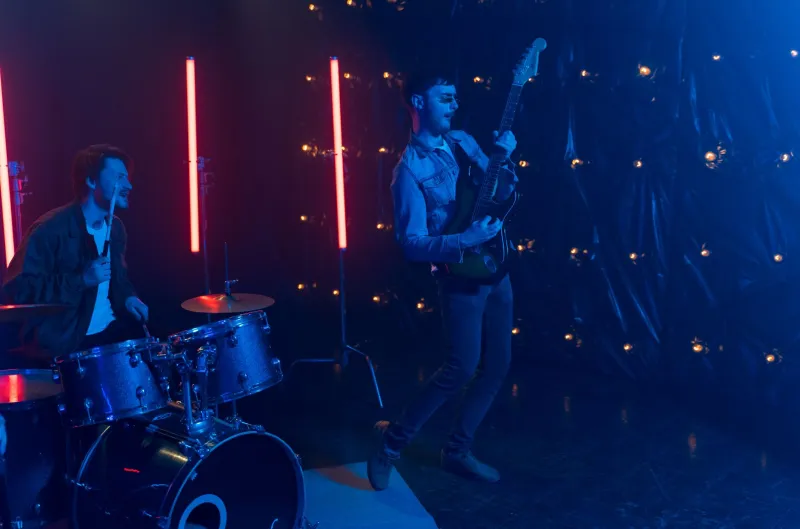
For a lot of emerging artists, the education happened at live shows. Natural Child has always been a band that makes more sense in person than on paper, and the crowds at their gigs tend to include a disproportionate number of musicians. Word travels.
A guitarist from a young Tennessee-based band who asked not to be named put it plainly: "I saw them play a venue in Nashville where the sound wasn't perfect, the set ran long, and at one point something went wrong with a monitor. And the crowd didn't care. Nobody left. People were more into it than at half the polished shows I've been to. That stuck with me."
What stuck wasn't just the vibe — it was the evidence. Natural Child demonstrated, night after night, that a deeply engaged audience doesn't require perfection. It requires sincerity. Those are very different things, and the distinction matters enormously to a young band trying to figure out who they want to be.
The Studio Conversation Is Changing
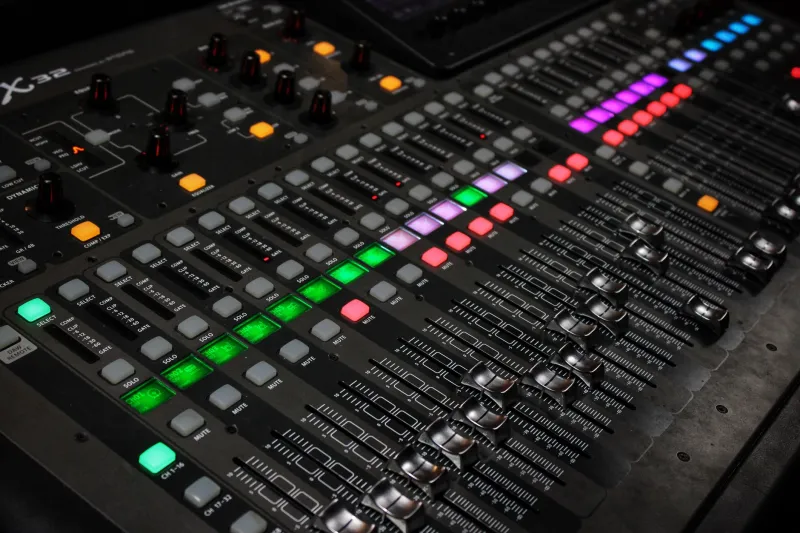
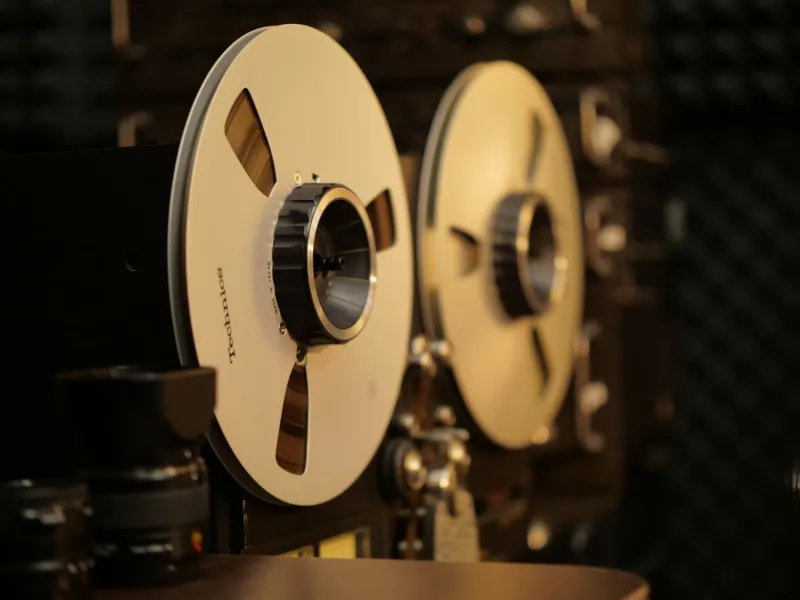
The ripple effects are showing up in recording studios, too. Producers and engineers around the country report that conversations with younger clients have shifted noticeably over the past few years. Requests that once would have seemed counterproductive — keeping the room noise, leaving in the breath before a vocal phrase, letting the amp buzz a little — are becoming more common.
"I had a band come in last spring and they specifically said they didn't want it to sound like it was made in a studio," recalls one indie producer based in Austin. "They wanted it to sound like a room. Five years ago that felt like a fringe request. Now it's almost standard."
Natural Child's recorded output has always prioritized feel over fidelity in the clinical sense. Their albums sound like they were made by humans, for humans — not processed through a filter designed to neutralize every imperfection. That approach used to get dismissed as low-budget or amateur. Increasingly, it's getting recognized as a deliberate and sophisticated choice.
Permission to Be Imperfect
There's a psychological dimension to all of this that's worth naming. A lot of young musicians are genuinely anxious about the gap between what they can produce and what the algorithmic gatekeepers seem to demand. The result is a kind of paralysis — endless tweaking, delayed releases, music that never quite gets finished because it never quite sounds "right."
Seeing Natural Child operate outside that framework entirely — and succeed on their own terms — gives emerging artists something harder to quantify but arguably more valuable than any production tip: it gives them permission.
Permission to release the thing that sounds like them. Permission to play the show even when the room isn't ideal. Permission to build an audience slowly, through repetition and realness, rather than through a viral moment that may never come.
"They make it look possible," says a young singer-songwriter from Knoxville who's been playing the regional circuit for a couple of years. "Not easy, but possible. There's a difference. Easy would be following the formula. Possible is doing it your way and believing someone will care. Natural Child makes you believe someone will care."
The Long Game Pays Off
What's particularly instructive about Natural Child's trajectory is that their influence isn't based on a sudden commercial breakthrough or a crossover hit that bought them mainstream credibility. It's built on consistency. They've been doing the same thing — playing hard, writing honestly, staying true to a sound that owes more to the AM radio America of the '70s than anything trending right now — for long enough that the results speak for themselves.
That consistency is itself a kind of argument. In an industry that cycles through trends faster than most bands can complete an album cycle, longevity built on authenticity is genuinely radical. It suggests that the audience relationship Natural Child has cultivated — loyal, passionate, word-of-mouth driven — is more durable than whatever spike a well-placed playlist placement might generate.
Younger bands are starting to do that math. And more often than not, it's coming up in Natural Child's favor.
What Comes Next
None of this means the polished playbook is dead. There's still plenty of room for artists who want to operate inside the mainstream machine, and there's nothing wrong with that. But the conversation has genuinely broadened. The assumption that raw and real equals uncommercial is losing ground, and Natural Child deserves a significant share of the credit for that shift.
The best tribute to what they've built isn't imitation — it's inspiration. The bands who are finding their own version of that honest, unfiltered approach aren't trying to sound like Natural Child. They're trying to sound like themselves, with the confidence that doing so is actually enough.
That's the real rulebook Natural Child handed out. And it turns out a lot of people were waiting for exactly that.